AI-based research may improve early detection of breast cancer – patient dataset compiled in Oulu is exceptional internationally
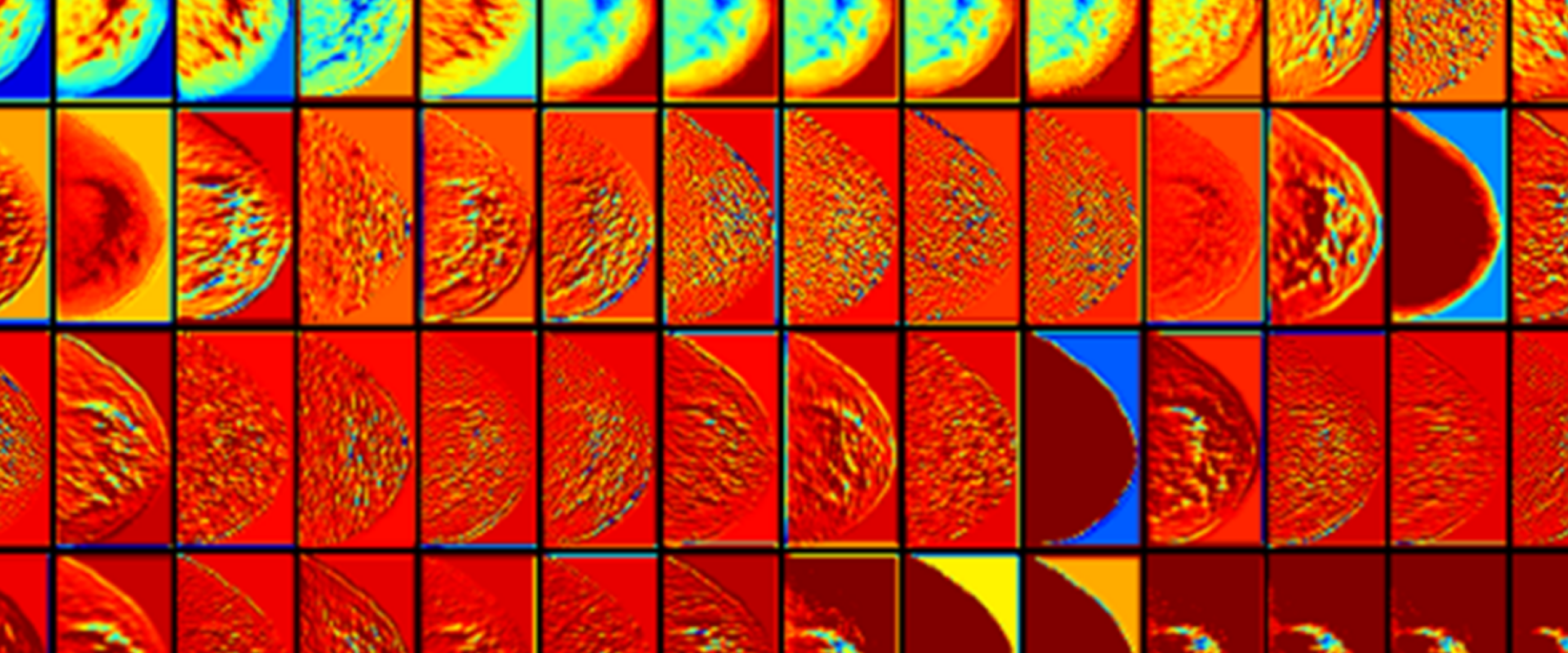
A research project launching at the University of Oulu combines an extensive dataset of breast cancer patients with AI-based medical imaging. Its aim is to improve the accuracy of breast cancer screening and to develop new methods for assessing cancer aggressiveness at the time of diagnosis.
Postdoctoral Researcher Outi Laatikainen and Professor Miika Nieminen have been awarded a grant of €81,000 from the North Ostrobothnia Regional Fund of the Finnish Cultural Foundation to carry out the research as a regional flagship project.
The study is based on a comprehensive and detailed patient cohort compiled from breast cancer patients treated at Oulu University Hospital. The dataset includes approximately 3,500 patients whose treatment pathways have been systematically followed over several years. Pathology data, laboratory results and other health data have been collected over a period of more than ten years.
The dataset is internationally rare because it extensively combines information on treatment effects and costs. It includes data on treatment decisions, disease progression and treatment outcomes. Such a highly processed and versatile dataset, combined with mammography image data, is exceptional in international comparison.
“Combining imaging with other datasets holds enormous potential. The key to new opportunities is multimodal AI, which learns from both images and patient histories,” says Miika Nieminen, Professor of Medical Physics at the University of Oulu and Chief Physicist at Oulu University Hospital.
The dataset has been built by experts from several fields, including radiologists, oncologists and AI researchers. It represents a multidisciplinary effort based on close and long-term collaboration between the University of Oulu and Oulu University Hospital.
The groundwork for the project has been carried out as part of the Oulu Medical Data Infrastructure.
Towards more accurate screening and more personalised risk assessment
The first objective of the research is to improve the accuracy of breast cancer screening mammography by developing methods to support image interpretation. At present, false positive and false negative findings place a burden on healthcare systems and cause unnecessary concern for patients, and in the worst cases may delay the initiation of treatment.
A particular challenge in screening is so-called interval cancers, which are detected between screening rounds even though the previous screening result was normal. Approximately one in four breast cancers is an interval cancer, and these tumours are often rapidly progressing and clinically demanding to treat.
AI-assisted image analysis aims to identify at an early stage cancers that remain undetected in current screening practices.
The second key objective is to determine whether AI can identify, already at the time of diagnosis, those tumours that have a high risk of developing metastases. The study seeks imaging-based features in tumours that would enable more precise individual risk assessment.
At present, the risk of metastasis is assessed mainly on the basis of biopsy samples and genetic data. The new approach uses computer vision, with the aim of targeting intensive treatments more effectively to those patients who are most likely to benefit.
“If we can assess tumour behaviour more accurately at an earlier stage, we can both improve patient outcomes and reduce the use of unnecessary and burdensome treatments,” says Outi Laatikainen, Postdoctoral Researcher at the University of Oulu.
Breast cancer is the most common cancer among women and one of the leading causes of cancer-related deaths. In Finland, around 300,000 women of screening age participate in breast cancer screening each year.
Source (text and image): University of Oulu